When it comes to maintaining a comfortable home while keeping energy costs under control, your HVAC system plays a critical role. Many homeowners don’t realize just how much their heating and cooling systems impact monthly utility bills. If your system is outdated or inefficient, it could be costing you far more than necessary. Investing in professional HVAC services in Mansfield, MA can help you upgrade your system, improve efficiency, and significantly reduce energy expenses.
Why Older HVAC Systems Cost You More
Older HVAC systems often struggle to perform efficiently, especially after years of wear and tear. As components age, they lose their ability to regulate temperature effectively, forcing the system to work harder and consume more energy. This leads to higher monthly bills and places unnecessary strain on the equipment.
Dust buildup, worn-out parts, and declining airflow all contribute to reduced efficiency. Systems that have not been regularly maintained tend to operate longer cycles just to keep up with demand. This constant operation increases energy use and accelerates system breakdowns.
Outdated systems may also lack modern technology designed to improve efficiency. Features like variable-speed motors, smart thermostats, and advanced filtration systems are standard in newer models. Without these upgrades, your system continues to use more energy than necessary to achieve the same level of comfort.
The Energy-Saving Benefits of Upgrading
Upgrading your HVAC system creates immediate and long-term savings. Modern systems are built with advanced efficiency standards that reduce energy usage while improving overall performance. This allows homeowners to maintain consistent indoor temperatures without excessive energy consumption.
According to the U.S. Department of Energy, upgrading to energy-efficient HVAC systems can reduce energy consumption by 20% to 50%.
This reduction in energy use translates directly into lower utility bills. Over time, these savings can offset the initial investment of installing a new system. High-efficiency units also tend to require fewer repairs, reducing maintenance costs and minimizing unexpected expenses.
Improved Comfort and Consistency
New HVAC systems are designed to deliver even airflow throughout the home. This eliminates uneven temperatures that often occur with older units. Rooms that were once too hot or too cold can maintain a steady and comfortable climate.
Humidity control is another advantage. Excess humidity can make a home feel warmer than it actually is, while dry air can cause discomfort during colder months. Updated systems regulate moisture levels more effectively, creating a balanced indoor environment.
Quieter operation is another noticeable improvement. Older systems often produce loud noises during operation, while modern units are engineered to run smoothly and quietly, improving the overall comfort of your living space.
Smart Technology Enhances Efficiency
New HVAC systems often include smart technology that gives homeowners greater control over energy usage. Smart thermostats can automatically adjust temperature settings based on your daily routine. This prevents unnecessary heating or cooling when no one is home.
Remote access allows adjustments from a smartphone or tablet. Whether you’re at work or on vacation, you can manage your system settings with ease. This level of control helps prevent wasted energy and keeps costs under control.
Some systems also provide energy usage reports, allowing homeowners to track performance and identify opportunities for additional savings. These insights make it easier to maintain efficient operation year-round.
Environmental Benefits of Upgrading
Energy-efficient HVAC systems reduce overall energy consumption, which helps lower greenhouse gas emissions. Homes that use less energy place less demand on power plants, contributing to a cleaner environment.
Newer systems also use updated refrigerants that are less harmful than older options. These environmentally friendly alternatives meet current regulations and reduce the environmental impact of heating and cooling systems.
Choosing to upgrade supports long-term sustainability while improving efficiency inside your home. Reduced energy usage benefits both individual households and the broader community.
When to Consider an Upgrade
HVAC systems typically last between 10 and 15 years. As systems approach or exceed this range, performance begins to decline. Rising energy bills, uneven temperatures, and frequent repairs are common indicators that a system is nearing the end of its lifespan.
If repair costs continue to increase, replacement becomes a more practical option. Installing a new system eliminates ongoing repair expenses and restores reliable performance.
Homeowners planning renovations or upgrades often choose to replace older HVAC systems at the same time. This ensures the entire home operates efficiently and avoids compatibility issues with newer features or layouts.
The Role of Professional HVAC Services
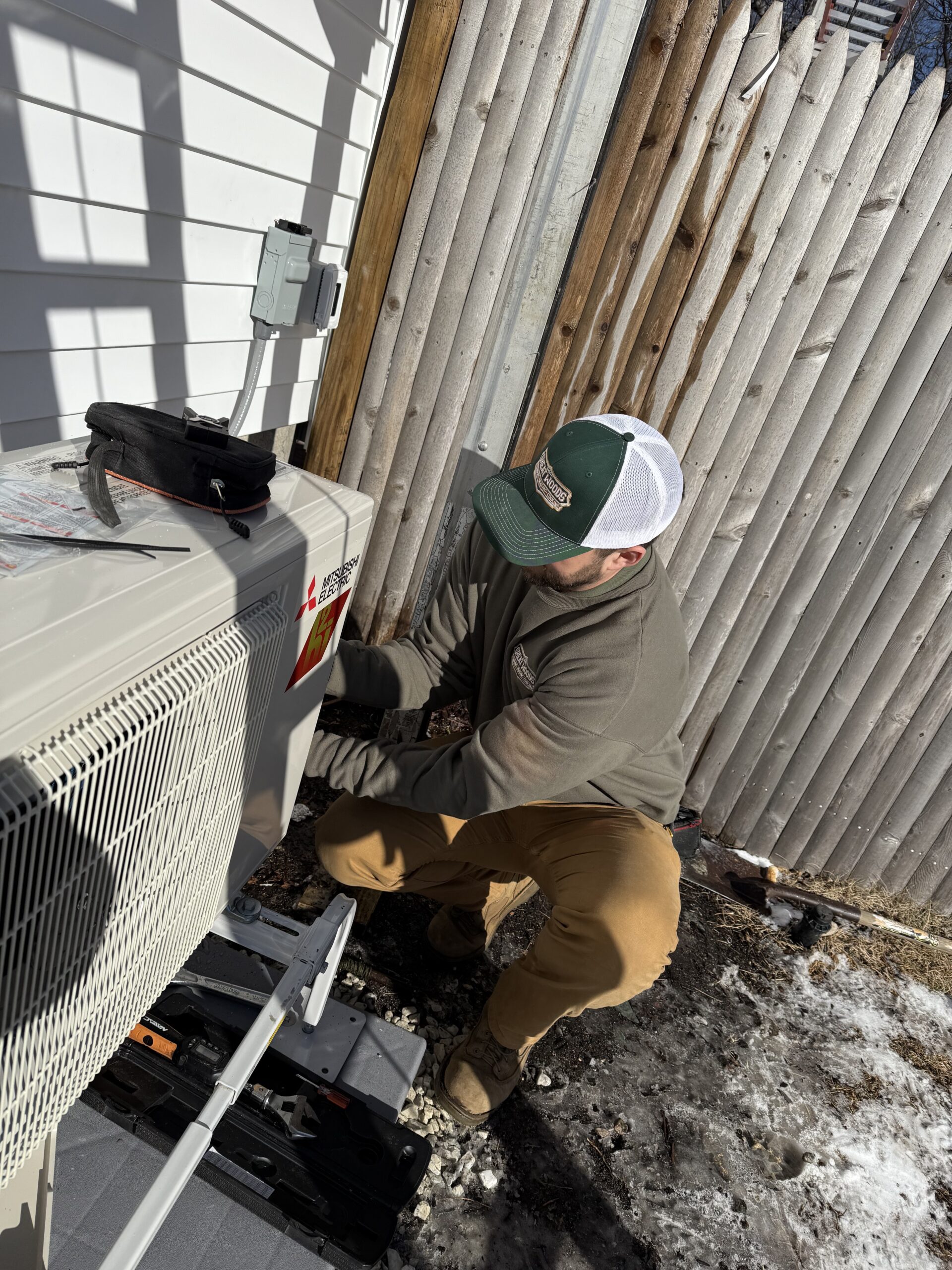
Proper installation plays a major role in system performance. Even the most efficient HVAC unit will not perform as expected if it is not installed correctly. Professional technicians ensure that systems are sized appropriately and installed according to manufacturer specifications.
Experts also evaluate ductwork, insulation, and airflow to ensure the entire system operates efficiently. Addressing these factors during installation improves performance and prevents future issues.
Routine maintenance keeps systems running efficiently after installation. Regular inspections, filter changes, and system tune-ups help maintain peak performance and extend the lifespan of the equipment.
Working with professionals who specialize in HVAC services in Mansfield, MA, ensures that your system is installed and maintained properly, allowing you to get the most value from your investment.
Long-Term Financial Benefits
Upgrading your HVAC system reduces monthly energy costs and lowers the likelihood of unexpected repairs. Efficient systems operate more reliably, minimizing disruptions and service calls.
Energy-efficient upgrades can also increase property value. Buyers often look for homes with modern systems that offer lower operating costs and improved comfort. A newer HVAC system can make a property more appealing in a competitive market.
Rebates and incentives may also be available for installing energy-efficient equipment. These programs can help reduce the upfront cost of upgrading, making it easier to invest in a high-efficiency system.
Consistent savings, improved reliability, and increased home value make upgrading a practical decision for homeowners looking to improve both comfort and efficiency.
Modern HVAC systems deliver better performance, lower energy use, and greater control over indoor comfort. With the support of experienced technicians and high-quality equipment, homeowners can maintain efficient operation while reducing long-term costs.