
Every homeowner knows the uneasy feeling that comes with opening a monthly utility bill during peak summer or freezing winter months. As temperatures outside drop or soar, heating and cooling systems work around the clock to keep indoor spaces comfortable. Unfortunately, that comfort often comes at a steep financial price. Heating and air conditioning account for more than half of the average American home’s total energy consumption. When a system is neglected, dirty, or improperly tuned, it has to consume far more electricity or fuel to achieve the target temperature on your thermostat.
Fortunately, you do not have to settle for sky-high energy costs every season. Investing in professional HVAC services is one of the single most effective ways to lower your monthly utility costs, improve home comfort, and extend the lifespan of your heating and cooling equipment.
The Hidden Cost of an Inefficient System
To understand how professional tune-ups save money, it helps to look at how a heating and cooling system functions over time. HVAC units are complex mechanical systems containing motors, blowers, electrical connections, coils, and delicate sensors. As they operate, normal wear and tear naturally degrades performance.
Dust and debris accumulate on air filters, blower fan blades, and evaporator coils. This build-up acts like a blanket, restricting airflow and insulating heat-exchange surfaces. As a result, the blower motor has to run longer and exert more force to push air through your home. The compressor and burner assemblies are forced to work through extended heating or cooling cycles to maintain desired temperatures.
This additional strain does not just lead to higher energy bills; it also dramatically increases the likelihood of sudden breakdowns and expensive repairs. According to ENERGY STAR, homeowners can save up to 20% on heating and cooling costs by properly maintaining and upgrading their HVAC systems. Over the course of a single year, those savings can easily pay for the cost of routine service visits while preventing costly emergency calls.
Spring and Summer Prep: Keeping Cooling Costs Down
Summer heat places immense pressure on your air conditioning unit. On 90-degree days, your heat pump or central air conditioner works continuously to extract heat and humidity from your indoor air and dump it outside. If any component in that cycle is underperforming, energy efficiency plummets quickly.
By scheduling seasonal HVAC services in the early spring, you ensure that your air conditioner operates at peak performance before the first heatwave hits. During a summer-prep tune-up, a qualified technician will perform essential maintenance steps:
- Cleaning the Evaporator and Condenser Coils: Dirty coils cannot transfer heat effectively. Removing grime allows the refrigerant to absorb indoor heat and discharge it outdoors efficiently.
- Checking Refrigerant Levels: Low refrigerant levels indicate a leak and force the compressor to run continuously, failing to adequately cool the home. Correcting refrigerant charge restores balance and efficiency.
- Clearing the Condensate Drain: Algae and debris can clog the drain line, leading to water backup, humidity problems, and system shutdowns.
- Inspecting Fan Motors and Belts: Proper fan speeds ensure smooth airflow across the coils, reducing electrical consumption.
When your cooling system does not have to struggle against dirty coils or restricted airflow, it cools your home faster and shuts off sooner, keeping your summer electric bills under control.
Fall and Winter Comfort: Cutting Heating Expenses
When cold weather arrives, the demand shifts from cooling to heating. Whether your home uses a gas furnace, an electric heat pump, or a boiler, winter heating typically accounts for the highest energy expense of the year.
Comprehensive HVAC services in the autumn prepare your heating equipment for the heavy workload ahead. Winter maintenance focuses on both energy efficiency and safety:
- Inspecting the Heat Exchanger and Burners: In gas furnaces, dirty burners cause uneven combustion and wasted fuel. Technicians clean burner assemblies and inspect the heat exchanger for cracks to ensure safe, efficient operation.
- Testing Ignition and Control Circuits: Faulty igniters or loose wiring cause short-cycling—when the unit repeatedly turns on and off in short bursts. Short-cycling wastes substantial amounts of energy and puts intense strain on electrical components.
- Checking Heat Pump Defrost Controls: In colder weather, outdoor heat pump coils can frost over. Proper defrost cycle operation prevents ice build-up that starves the system of heat transfer capabilities.
- Balancing Airflow across Supply and Return Vents: Balanced static pressure keeps warmth distributed evenly without creating cold spots that tempt you to bump up the thermostat.
A well-calibrated heating system burns less fuel or uses less electricity to deliver steady, cozy warmth throughout the coldest months.
Long-Term Savings: Upgrades, Ductwork, and Smart Technology
While preventative maintenance provides immediate relief on monthly bills, long-term efficiency often involves evaluating the bigger picture of your home’s thermal envelope and equipment age.
1. Modern High-Efficiency Equipment
If your air conditioner or furnace is more than 10 to 15 years old, it operates on outdated technology. Older units often carry Seasonal Energy Efficiency Ratio (SEER2) ratings of 10 to 13, whereas modern high-efficiency systems can reach ratings of 18 to 24 or higher. Upgrading your system with the help of professional HVAC services allows you to take advantage of modern, high-efficiency equipment that uses a fraction of the electricity required by older models.
2. Duct Sealing and Air Flow Optimization
Even the most efficient heating and cooling unit cannot perform well if air leaks out through leaky ductwork before reaching your living room. Unsealed duct joints in attics, basements, or crawlspaces can lose up to 30% of conditioned air into unconditioned spaces. Professional duct inspection, sealing, and insulation ensure that every cubic foot of air you pay to heat or cool actually reaches your family.
3. Smart Thermostat Integration
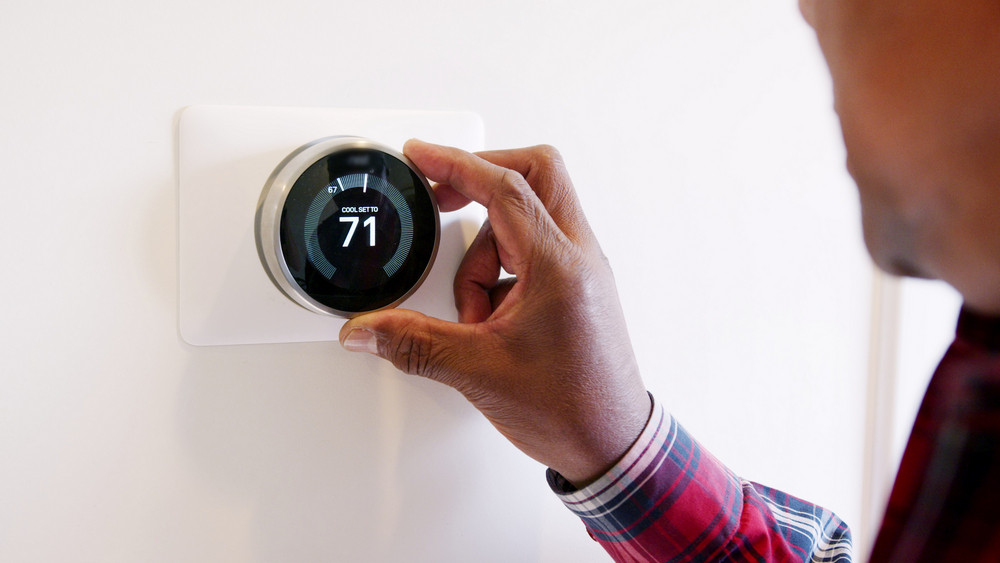
Integrating a programmable or smart thermostat allows you to set automated temperature schedules based on your routine. Lowering the temperature by 7 to 10 degrees for eight hours a day (while you are at work or sleeping) can save up to 10% a year on heating and cooling costs. Trained technicians can properly wire and calibrate these smart devices so they communicate seamlessly with your equipment.
Why Professional Care Makes the Difference
Relying on experienced technicians for your routine HVAC services protects your home, preserves your system’s manufacturer warranty, and ensures that potential issues are identified before they turn into complete mechanical failures. Professional technicians test electrical voltages, measure static duct pressure, verify correct gas pressure, and precisely balance refrigerant charges—tasks that require professional diagnostic tools.
Ready to Lower Your Energy Bills? Partner With Great Woods Plumbing
Taking control of your energy bills does not mean sacrificing comfort in your own home. With proactive maintenance, expert repairs, and modern equipment upgrades, you can enjoy a perfectly climate-controlled home while keeping your monthly costs low all year round.
When you need reliable HVAC services to keep your energy bills low and your home comfortable in every season, trust the experienced team at Great Woods Plumbing. Visit Great Woods Plumbing today to learn more about our comprehensive heating, cooling, and plumbing solutions, or call us to schedule your service appointment!